Skip to content
echowordss.com EchoWordss.com
  • Home
  • Grammar
  • Other Ways to Say
  • Contact Us
  • About Us

Grammar

Grammar Page 3
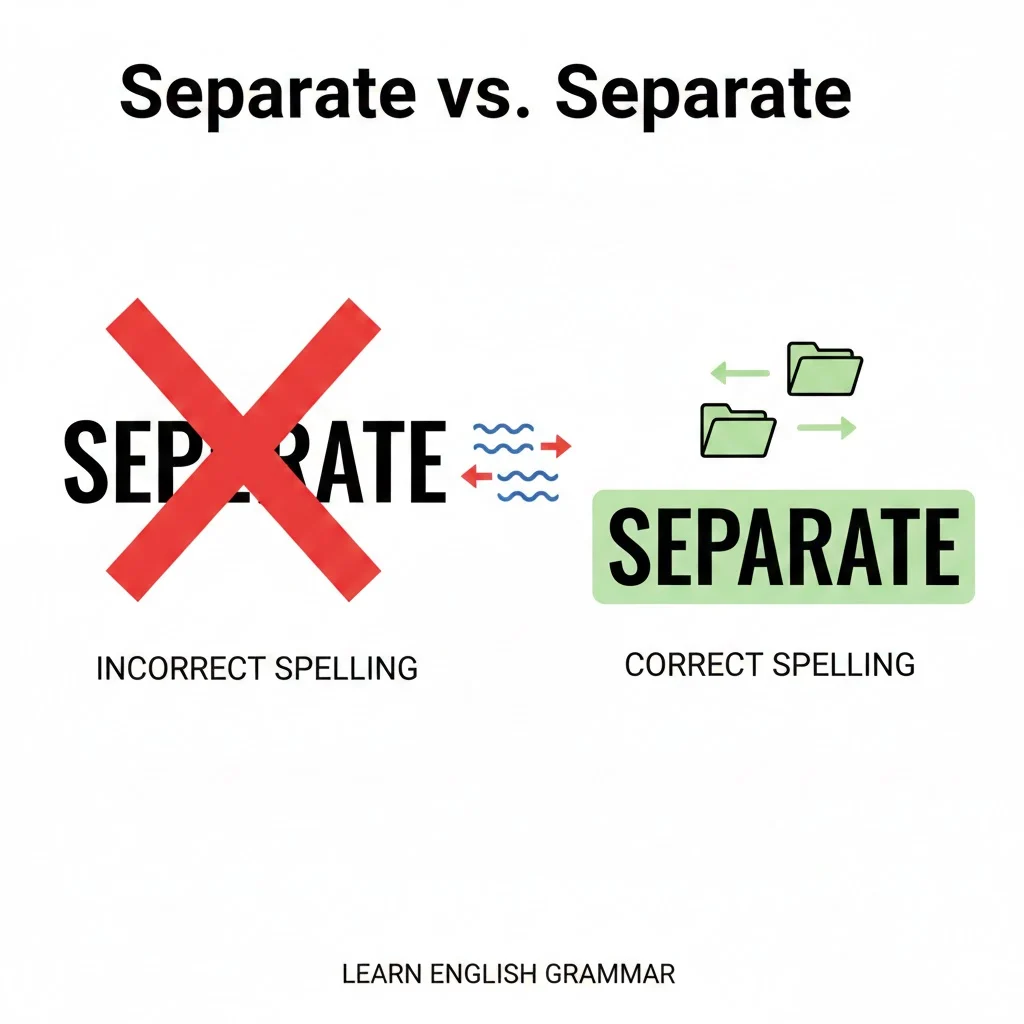
seperate or separate
Posted inGrammar

Seperate or Separate? Learn the Correct Spelling With Rules, Examples, and Common Mistakes

Separate is the correct spelling and means to divide, split, or keep things apart. Seperate is a common spelling mistake and is not correct in standard English. Always use separate…

Posted by James Anderson February 4, 2026
blond or blonde
Posted inGrammar

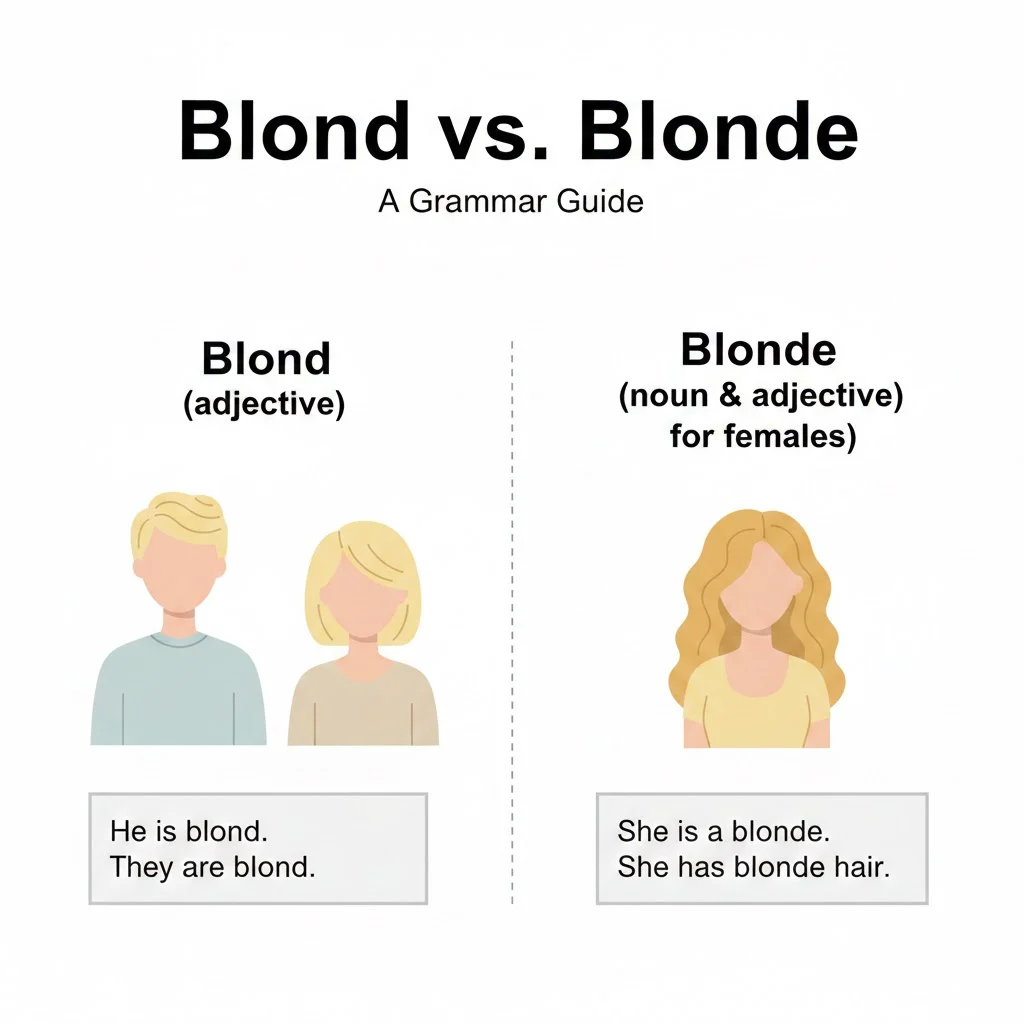
Blond or Blonde? Complete Guide With Grammar Rules, Examples, History, and Common Mistakes

Blond and blonde both describe fair or light hair color. Blond is commonly used for men and as an adjective in American English, while blonde is often used for women…
Posted by Richard Branson February 4, 2026
aluminum or aluminium
Posted inGrammar

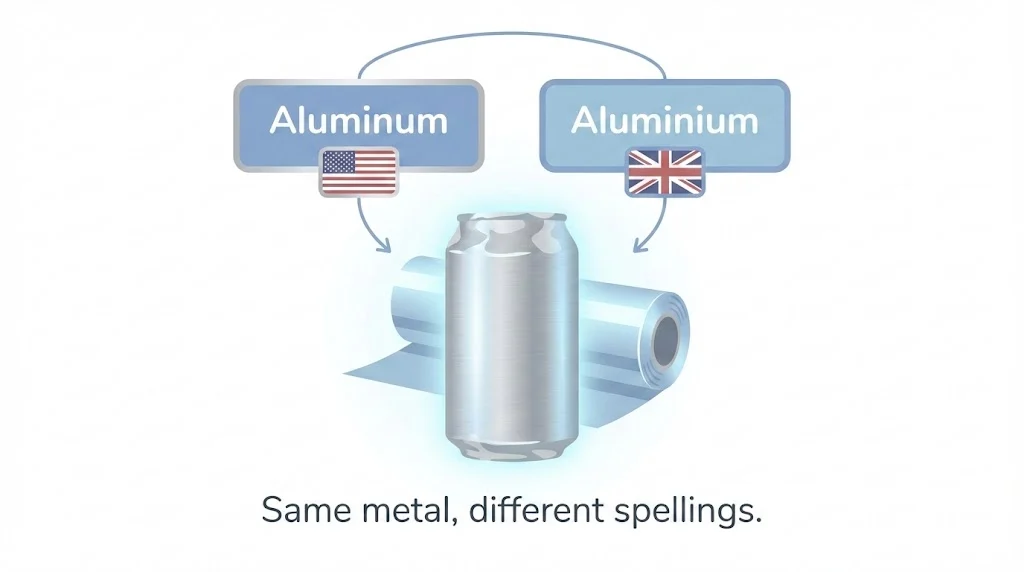
Aluminum or Aluminium? Learn the Correct Spelling, History, Usage, and Differences Clearly

Aluminum and aluminium refer to the same metal. Aluminum is used in American English, while aluminium is used in British English and most other countries. The difference exists because of…
Posted by Mark Wood February 4, 2026
dreamt or dreamed
Posted inGrammar

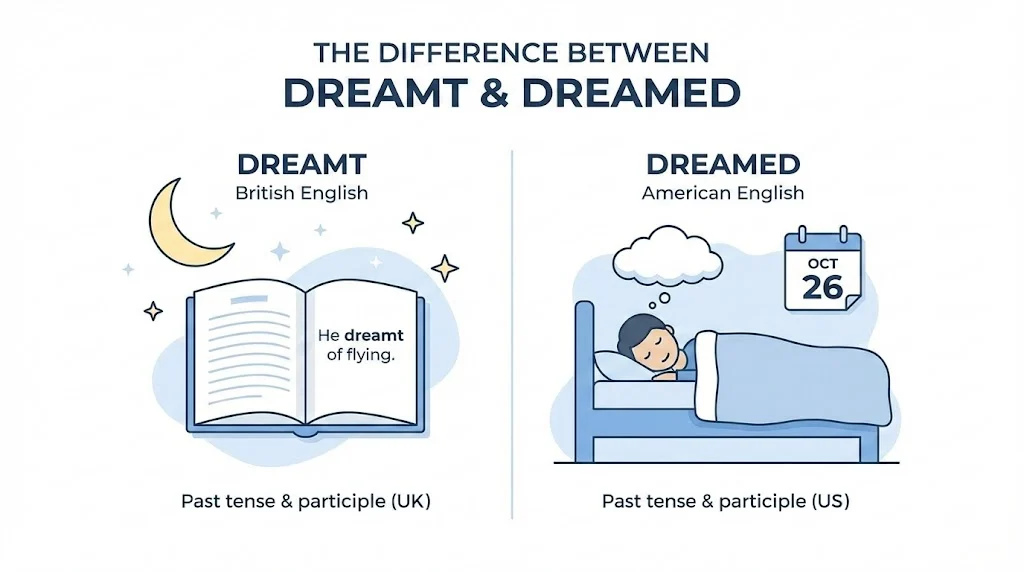
Dreamt or Dreamed? | Learn the Correct Past Tense With Clear Rules and Examples

Dreamed and dreamt are both correct past tense forms of the verb dream. Dreamed is more common in American English, while dreamt is more common in British English. The meaning…
Posted by Mark Wood February 4, 2026
than or then
Posted inGrammar

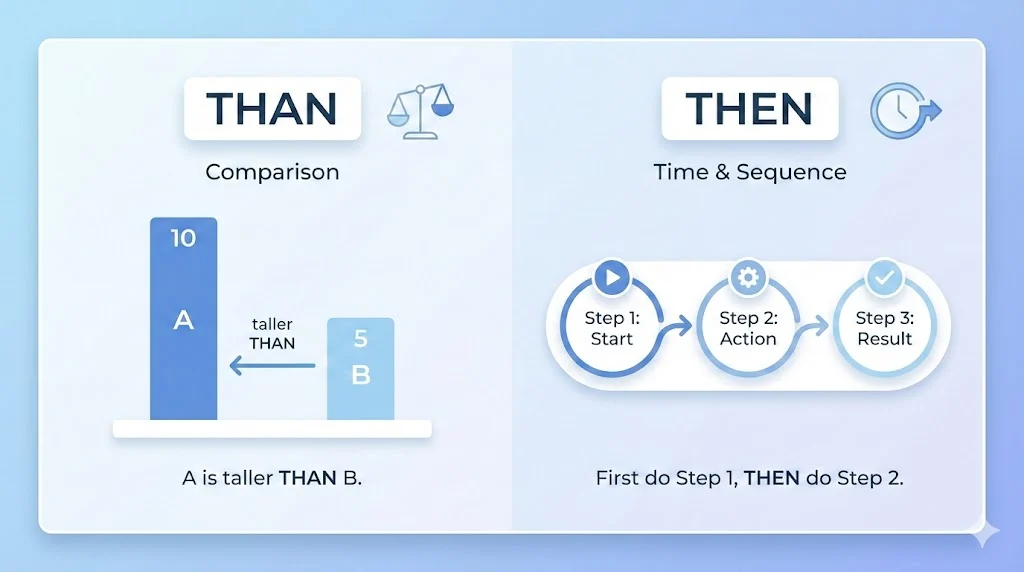
Than or Then? Learn the Difference With Simple Rules and Clear Examples

Than is used to compare two things, while then is used to talk about time, order, or what happens next. Use than when making comparisons and then when referring to…
Posted by James Anderson February 4, 2026
ageing or aging
Posted inGrammar

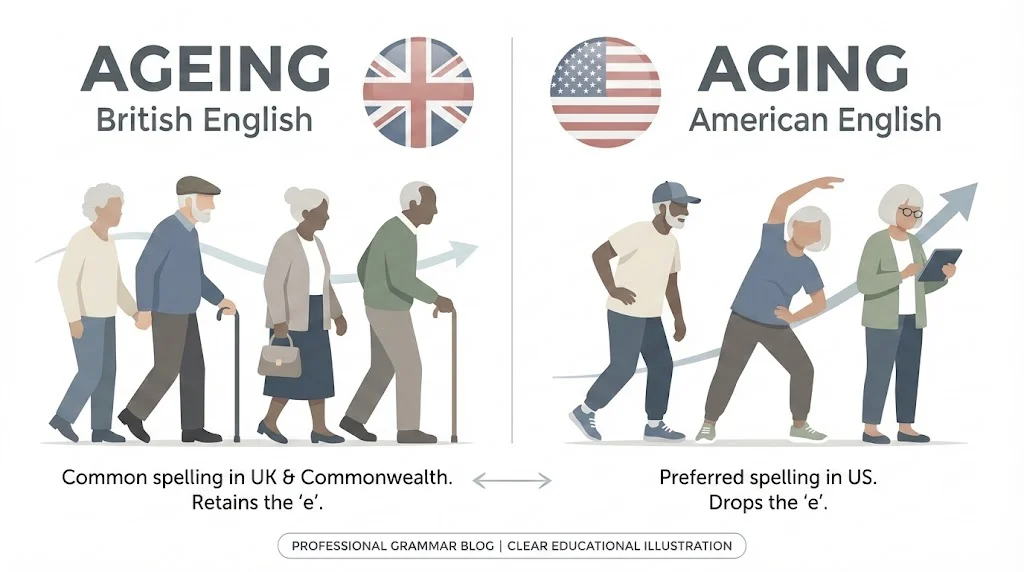
Ageing or Aging? Correct Spelling Explained With Grammar Rules and Examples

Ageing and aging both mean growing older. Ageing is the preferred spelling in British English, while aging is the standard spelling in American English. The meaning is the same, but…
Posted by Richard Branson February 2, 2026
ai or not
Posted inGrammar

AI or Not? How to Tell the Difference Between Artificial Intelligence and Human Work

AI refers to content, images, or decisions created by artificial intelligence systems, while not AI means work created entirely by humans. To decide AI or not, look for patterns, lack…
Posted by Mark Wood February 2, 2026
sativa or indica
Posted inGrammar

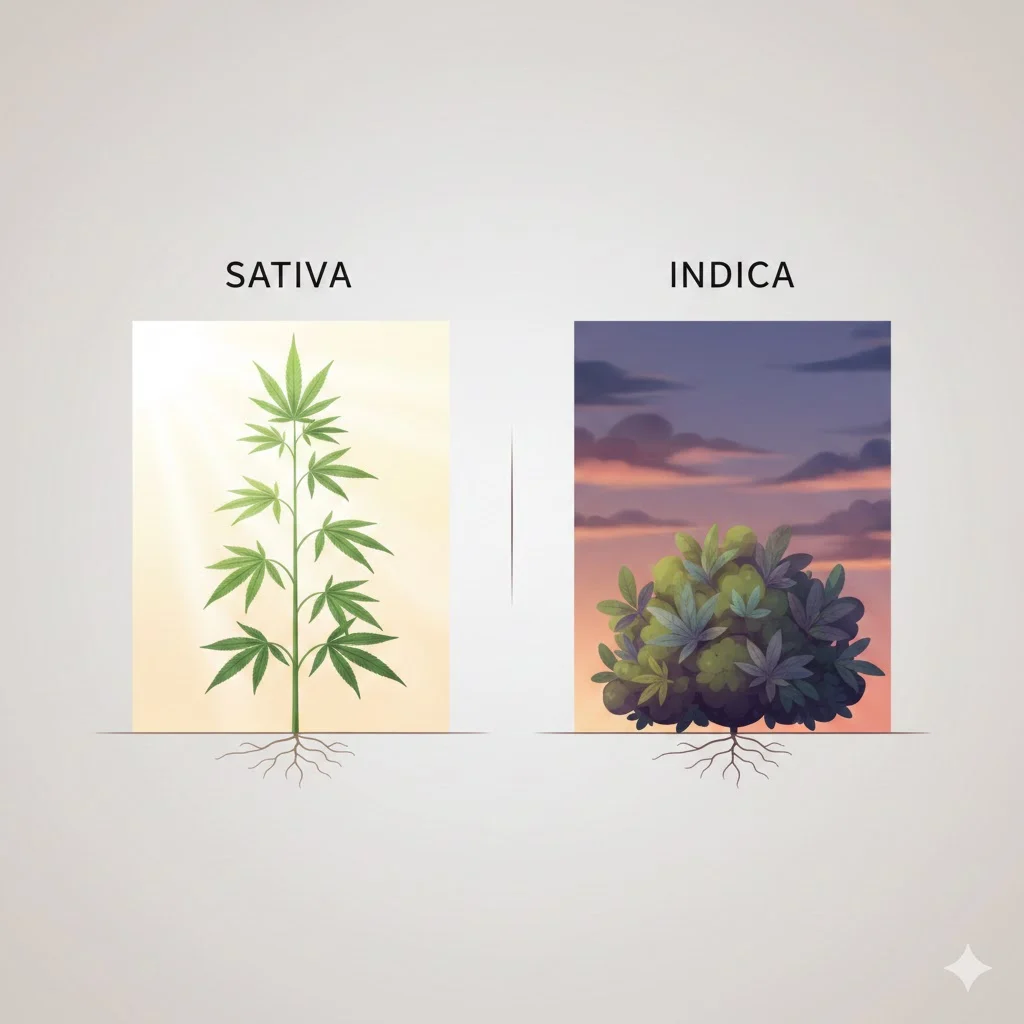
Sativa or Indica? Differences, Effects, Uses, and Common Myths Explained Clearly

Sativa and indica are two main types of cannabis plants. Sativa is often linked with uplifting and energizing effects, while indica is commonly associated with relaxation and calming effects. The…
Posted by James Anderson February 2, 2026
allergies or cold
Posted inGrammar

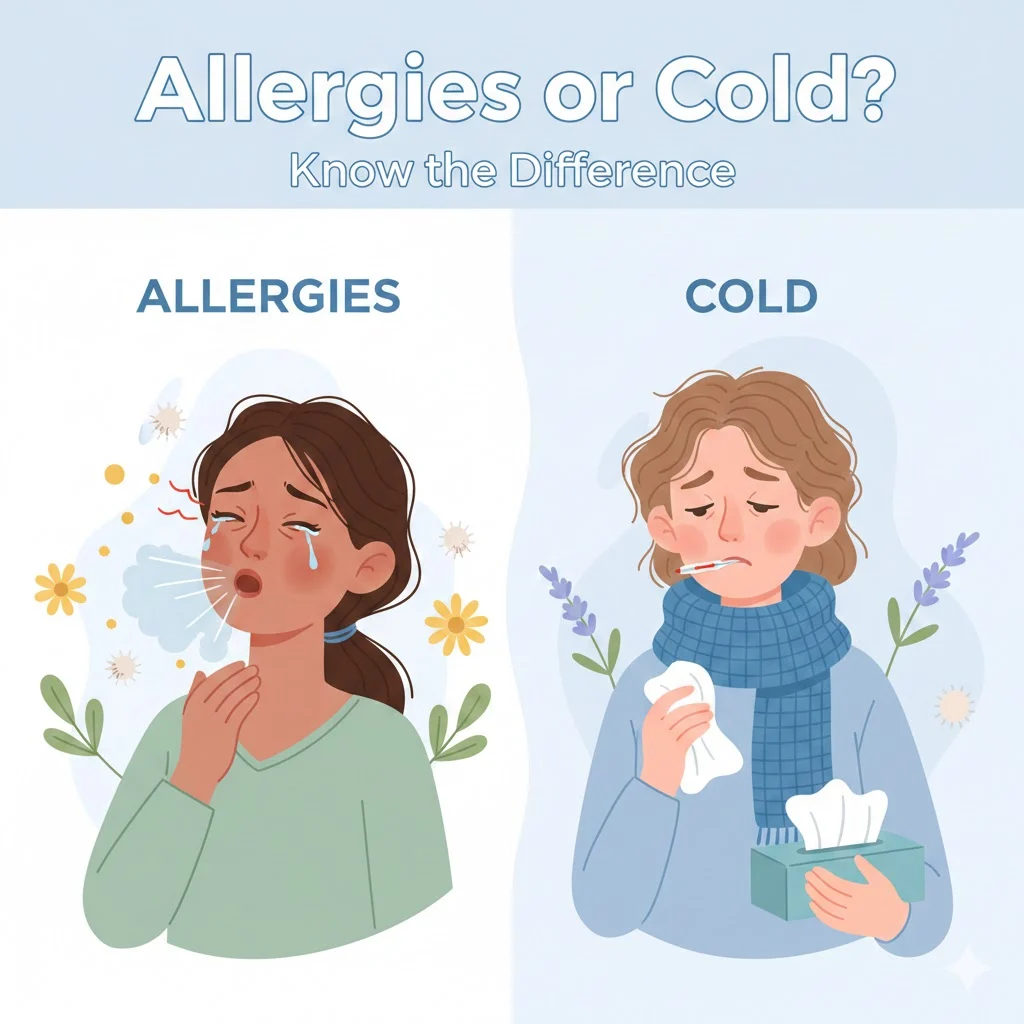
Allergies or Cold? How to Tell the Difference With Symptoms, Causes, and Examples

Allergies are caused by an immune reaction to allergens like pollen or dust and usually cause sneezing, itchy eyes, and a runny nose without fever. A cold is a viral…
Posted by Mark Wood January 31, 2026
afterward or afterwards
Posted inGrammar

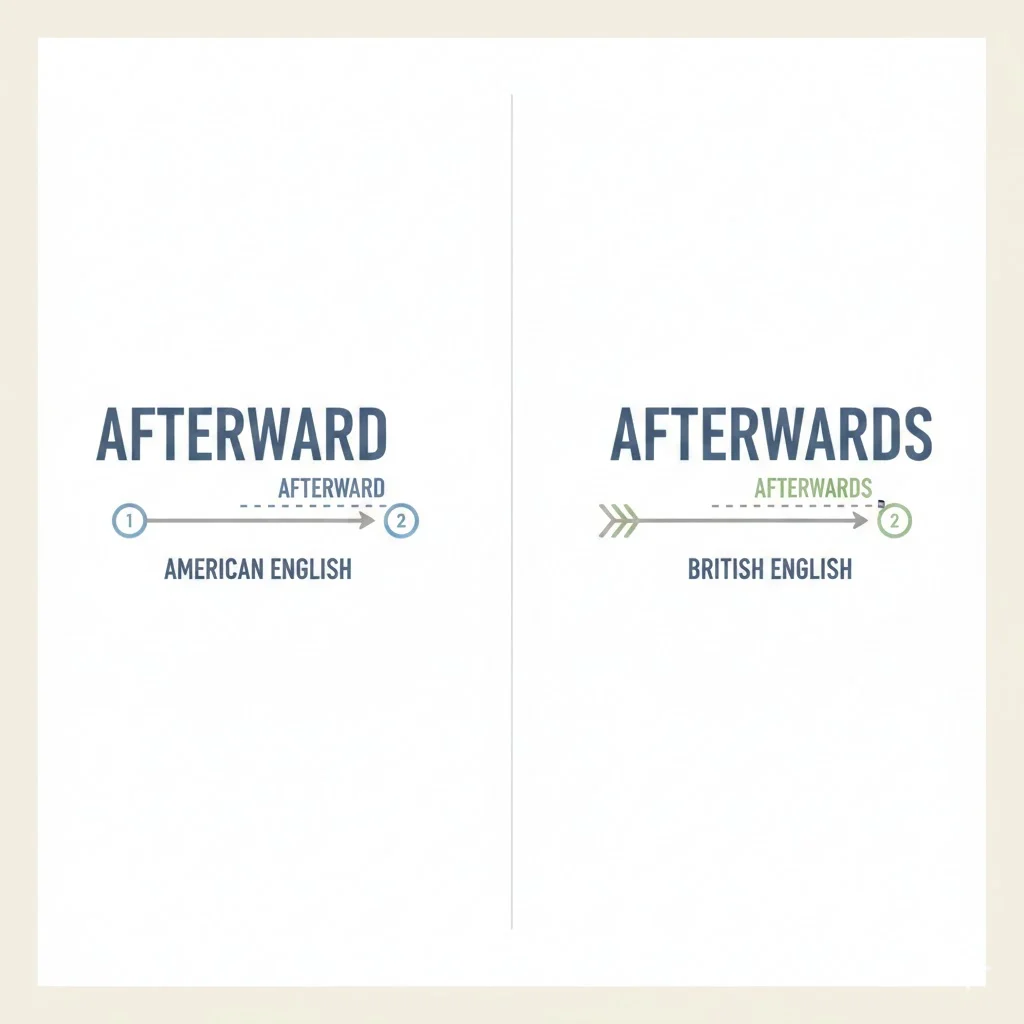
Afterward or Afterwards? Learn the Correct Usage With Grammar Rules and Real Examples

Afterward and afterwards both mean later or following an event. Afterward is more common in American English, while afterwards is more common in British English. Both are grammatically correct and…
Posted by Richard Branson January 31, 2026

Posts pagination

Previous page 1 2 3 4 5 Next page

Recent Posts

  • Insure or Ensure? Complete Guide With Grammar Rules, Meaning, Examples, and Common Mistakes
  • High-Quality: Ultimate Guide to Meaning, Usage, Examples, and Common Mistakes
  • Skillset vs Skill-Set? Correct Spelling, Meaning, Grammar Rules, and Usage Explained
  • Fourty or Forty? Correct Spelling, Grammar Rules, Examples, and Common Mistakes Explained
  • Further or Farther? Complete Guide With Grammar Rules, Differences, Examples, and Common Mistakes

Recent Comments

No comments to show.

Archives

  • February 2026
  • January 2026

Categories

  • Grammar
  • Other Ways to Say
Copyright 2026 — EchoWordss.com All rights reserved.
Scroll to Top